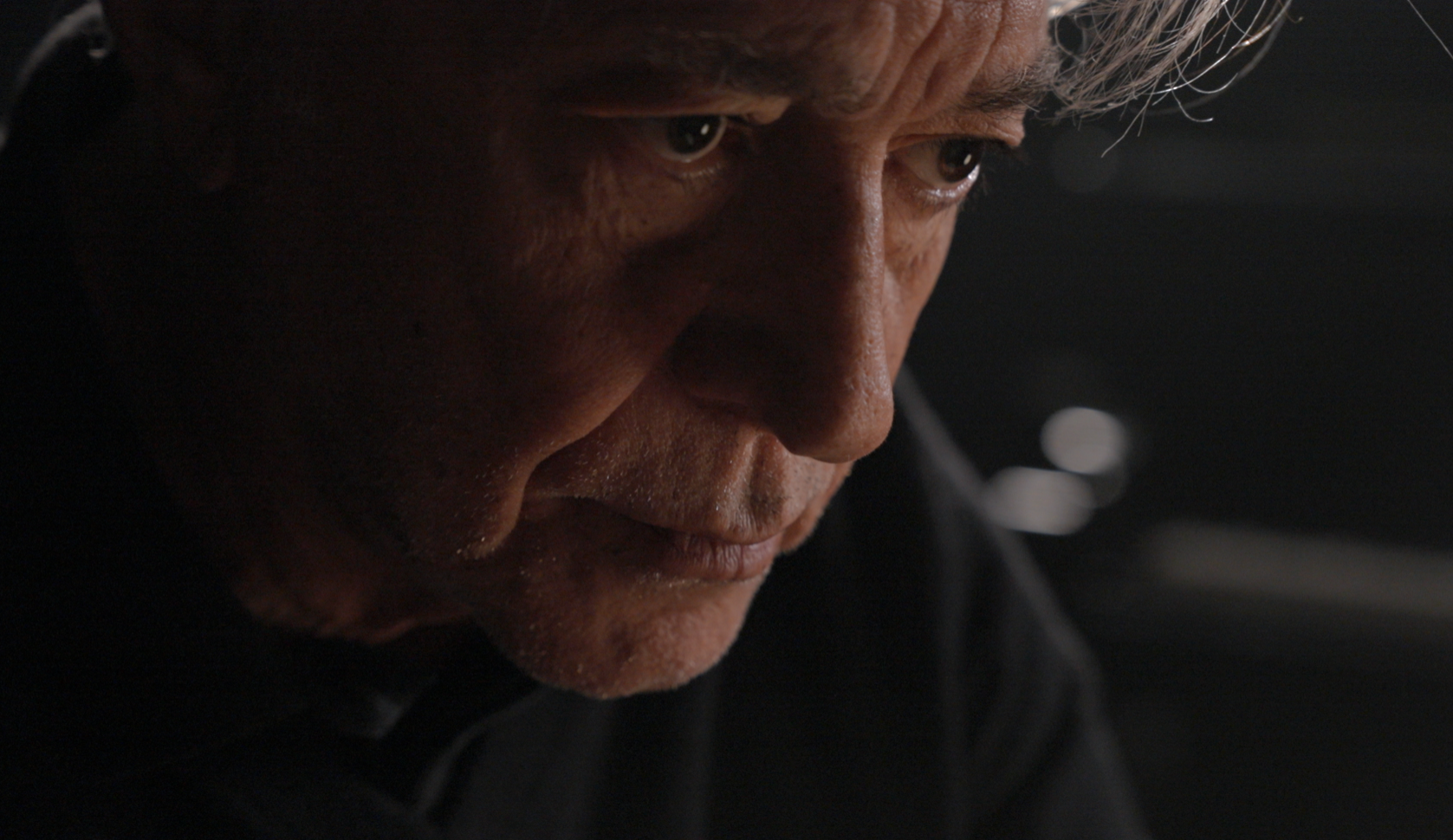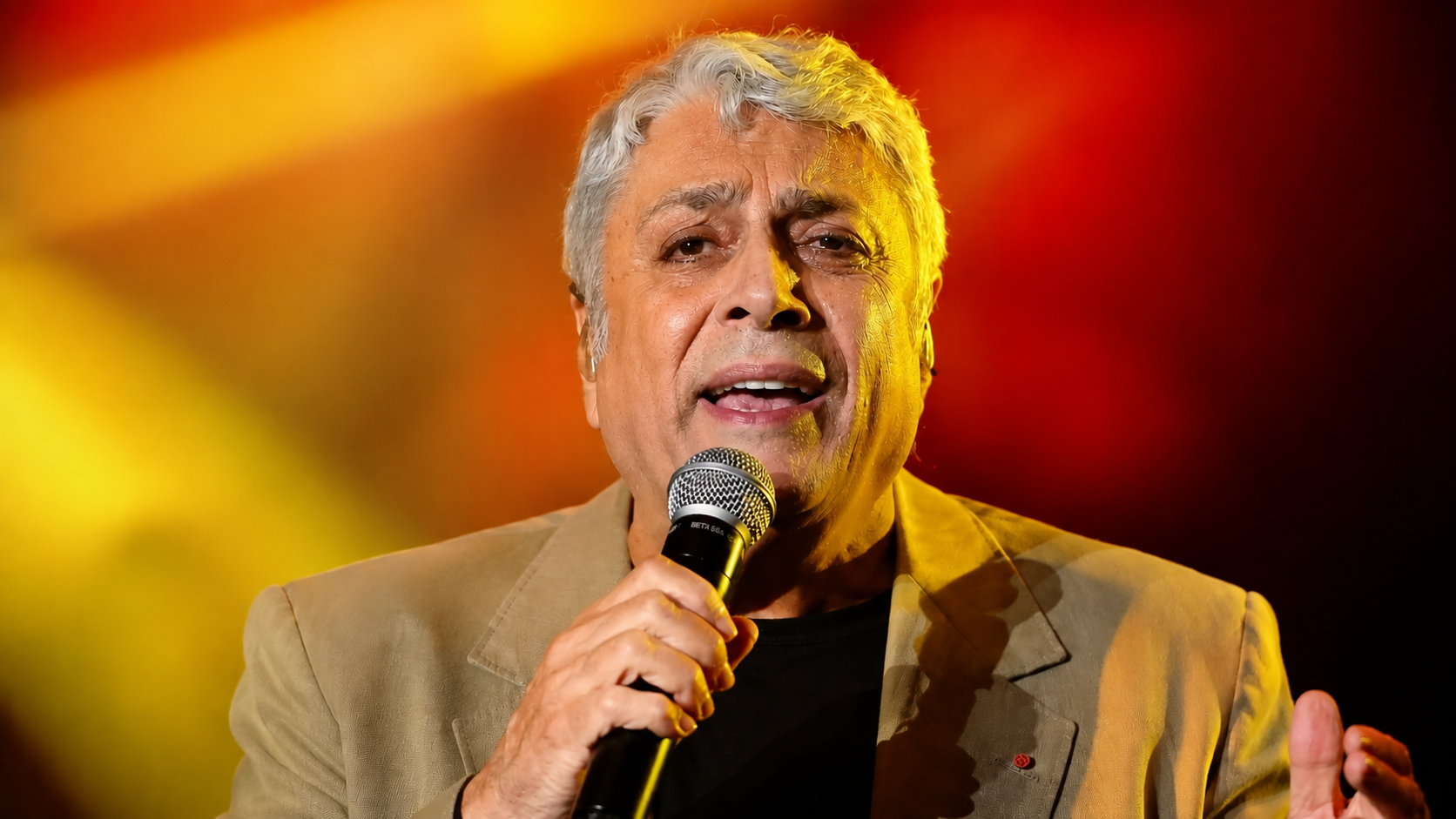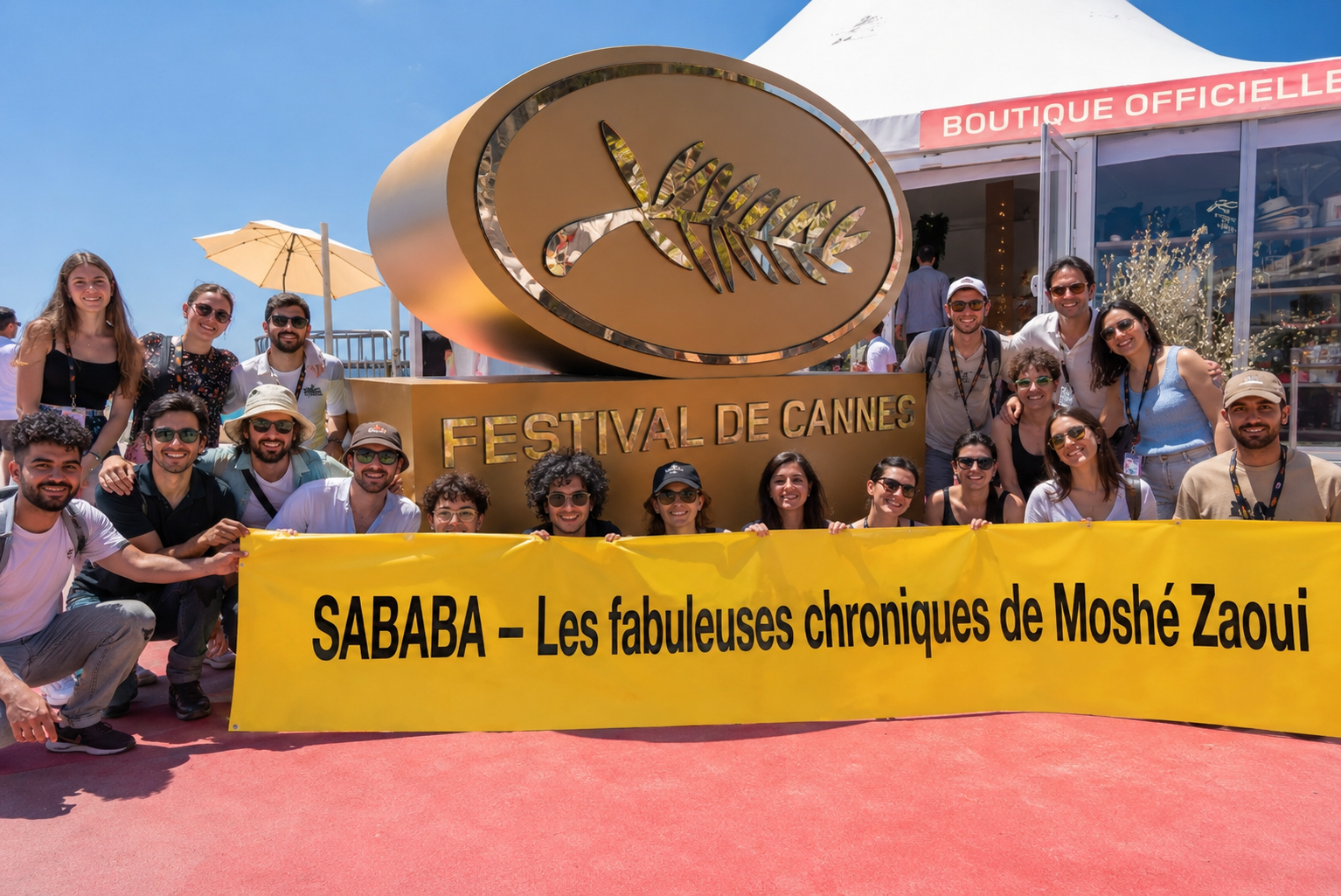
On May 14, 2026, two days after the opening of the Festival, the venue will host the world premiere screening of SABABA – The Fabulous Chronicles of Moshé Zaoui, followed by a debate dedicated to Jewish and Israeli cinema after October 7. Cannes loves films that arrive with a story. This year, one of the most singular will come from the Théâtre Alexandre III.

The project resembles nothing formatted. It seeks neither effect nor demonstration. It moves forward differently, carried by faces, voices, still-burning memories, and that strange energy of those who refuse to disappear from the landscape.
THE FILM: SABABA, A FILM OF HOPE
At the center of the film, there is Moshé Zaoui. Journalist, singer, dancer. A figure crossed by the century. With the founders of SABABA MÉDIAS, these almost centenarians chose to continue filming since October 7, 2023. While many withdrew, they went to see. They documented the rise of antisemitism, followed collectives linked to the hostages in Israel, gathered words that are rarely heard. Camera on the shoulder, without theoretical apparatus, without cold distance. The film stands there. In this calm obstinacy.

SABABA – The Fabulous Chronicles of Moshé Zaoui does not construct an ideological narrative. It looks at human beings continuing to create during a period where everything pushes toward silence. Some still sing. Others write. Others simply move forward because they must hold on. The documentary films this living memory in the present. Recent events, faces, trajectories often absent from dominant narratives. A cinema anchored in reality, yet which still leaves room for hope.


THE DEBATE: JEWISH AND ISRAELI CINEMA AFTER OCTOBER 7
The debate preceding the screening will extend this question. Moderated by Philippe Samak, it will notably bring together Laurence Benhamou and Sophie Dulac around a subject that has become sensitive in the cultural world. Since October 7, 2023, something has shifted in certain cinema circles. Nothing frontal. Nothing that immediately creates scandal. But a climate. Conversations that close. New distances. Projects that move forward less easily. Several professionals, of Jewish faith or culture, say they feel this diffuse fragility. As if their presence had become more precarious. Yet when a presence becomes fragile, narratives too risk disappearing.
This is precisely what this event seeks to prevent. Not to impose a voice, but to maintain a space. To keep open the possibility of dialogue. To defend the circulation of stories, the plurality of perspectives, the complexity of trajectories. Because a living cinema cannot function through successive erasures. In Cannes, where everything is often decided through noise, networks, and speed, the SABABA initiative takes another direction. It places back at the center voices believed condemned to silence. And reminds us that in cinema, hope is not a slogan. Sometimes, it is simply the act of continuing to film.